

Gut health has become a buzzword in the wellness industry—and for good reason. Your gut, also known as the gastrointestinal tract, plays a crucial role in your overall health, impacting everything from digestion and nutrient absorption to immunity and mental health. Let’s dive into gut health, its essentials, and how one can maintain a happy and healthy gut.
What is Gut Health?
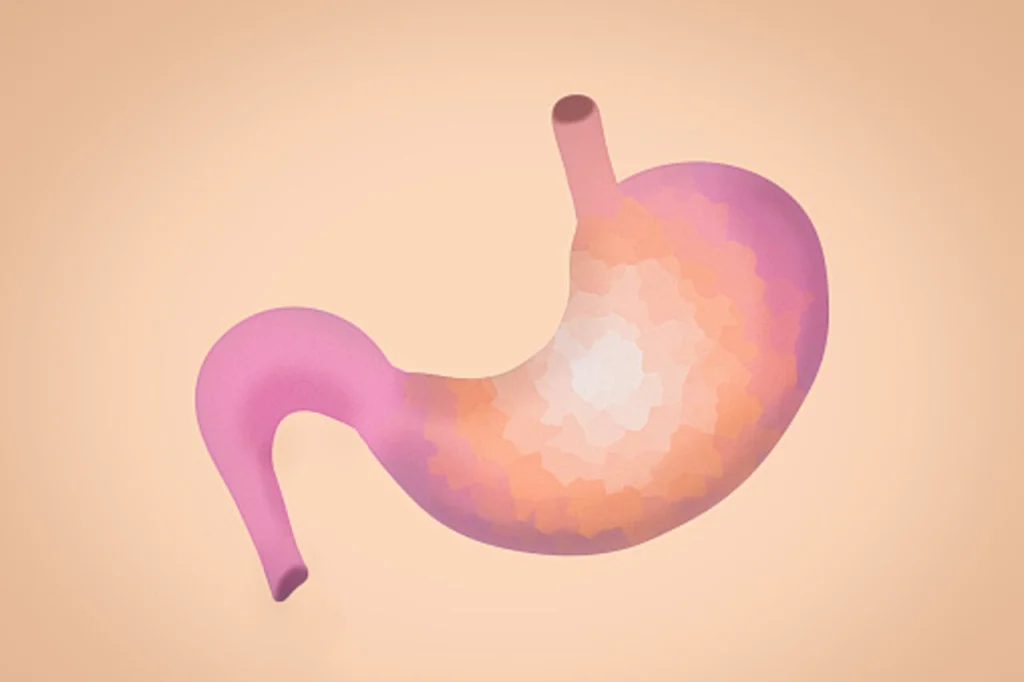
Gut health refers to the balance of microorganisms living in your digestive system. These microorganisms, collectively called the gut microbiome, include bacteria, fungi, and other tiny organisms that help digest food, produce vitamins, and fend off harmful pathogens. A healthy gut maintains a harmonious balance, allowing your body to function at its best.
Why is Gut Health Important?
- Digestive Health: A healthy gut ensures that food is broken down effectively, nutrients are absorbed properly, and waste is eliminated efficiently.
- Immune System Support: About 70% of your immune system resides in the gut. A balanced microbiome helps your body fight off infections and illnesses.
- Mental Health: The gut-brain connection is real! The gut produces neurotransmitters like serotonin, which influence mood and mental health.
- Inflammation Regulation: A healthy gut can reduce chronic inflammation, which is linked to diseases like diabetes, heart disease, and arthritis.
- Weight Management: Studies have shown that gut bacteria can influence metabolism and appetite control.
Signs of an Unhealthy Gut
- Frequent digestive discomfort (bloating, constipation, or diarrhea)
- Persistent fatigue
- Skin irritations or conditions like eczema
- Unexplained weight changes
- Food intolerances
- Increased susceptibility to colds or infections
Tips for Maintaining a Healthy Gut
- Eat a Diverse Diet: Incorporate a variety of fruits, vegetables, whole grains, and lean proteins to provide nutrients for beneficial gut bacteria.
- Include Fermented Foods: Foods like yogurt, kefir, sauerkraut, kimchi, and miso are rich in probiotics that support gut health.
- Stay Hydrated: Water is essential for digestion and maintaining the mucosal lining of the intestines.
- Limit Sugar and Processed Foods: High sugar intake can disrupt the balance of gut bacteria, promoting the growth of harmful microorganisms.
- Manage Stress: Chronic stress can negatively impact the gut microbiome. Practice mindfulness, yoga, or other stress-relieving activities.
- Get Enough Sleep: Poor sleep patterns can disrupt gut health. Aim for 7-8 hours of quality sleep each night.
- Exercise Regularly: Physical activity promotes the diversity of gut bacteria, contributing to overall health.
- Consider Probiotics and Prebiotics: Probiotics introduce beneficial bacteria, while prebiotics (found in foods like garlic, onions, and bananas) feed the good bacteria already in your gut.
When to See a Doctor
If you’re experiencing persistent digestive issues, unexplained weight changes, or other concerning symptoms, consult a healthcare professional. They may recommend tests or treatments tailored to your specific needs.
Final Thoughts
Taking care of your gut is more than just a trend—it’s a cornerstone of good health. By making conscious choices in your diet and lifestyle, you can nurture a healthy gut and enjoy the benefits of improved digestion, a stronger immune system, and better overall well-being.