

Pain can disrupt your daily life and diminish your quality of living. From headaches to joint pain, it manifests in many forms, and effective management can make a significant difference. In this guide, we’ll explore common types of pain, their causes, and strategies for relief.
1. Headaches
Headaches are among the most common types of pain, affecting millions worldwide.
- Causes: Stress, dehydration, eye strain, sinus issues, or migraines.
- Relief Tips:
- Stay hydrated and avoid skipping meals.
- Apply a cold compress to your forehead or a warm compress to your neck.
- Practice relaxation techniques like deep breathing or meditation.
- Over-the-counter pain relievers like ibuprofen or acetaminophen may help. For migraines, prescription medications may be necessary.
2. Back Pain
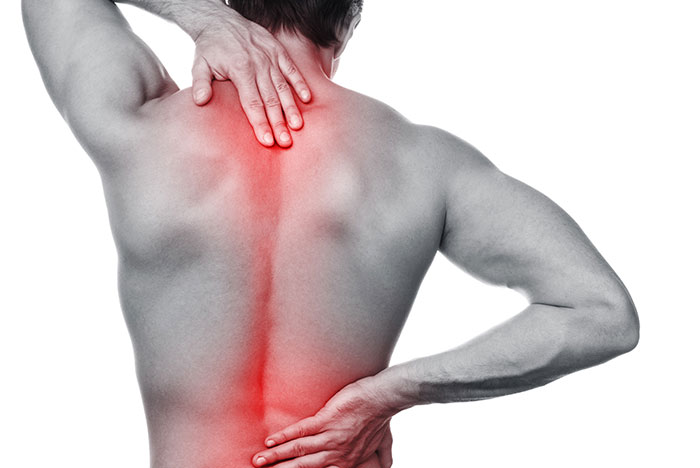
Back pain, especially in the lower back, is a leading cause of disability.
- Causes: Poor posture, heavy lifting, muscle strain, or underlying conditions like herniated discs.
- Relief Tips:
- Maintain good posture and use ergonomic furniture.
- Apply heat or cold therapy to the affected area.
- Incorporate stretching and strengthening exercises for the back and core.
- Seek professional help for persistent pain, including physical therapy or chiropractic care.
3. Shoulder Pain
Shoulder pain can stem from overuse, injury, or conditions like rotator cuff issues.
- Causes: Repetitive movements, bursitis, tendonitis, or arthritis.
- Relief Tips:
- Rest the shoulder and avoid activities that worsen the pain.
- Use ice packs for inflammation and heat for stiffness.
- Perform gentle stretches and strengthening exercises recommended by a therapist.
- Anti-inflammatory medications can reduce swelling and discomfort.
4. Neck Pain
Neck pain often results from tension or poor posture.
- Causes: Prolonged computer use, sleeping in awkward positions, or stress.
- Relief Tips:
- Adjust your workspace for better ergonomics.
- Apply heat or ice to the neck.
- Perform gentle neck stretches and maintain a proper sleeping position.
- Massage therapy or physical therapy can provide additional relief.
5. Lower Back Pain
Lower back pain is a common complaint, especially among adults.
- Causes: Sedentary lifestyle, improper lifting techniques, or sciatica.
- Relief Tips:
- Engage in low-impact exercises like walking or swimming.
- Use a lumbar support cushion when sitting.
- Consider yoga or pilates for flexibility and strength.
- Consult a healthcare provider for severe or persistent pain.
6. Joint Pain
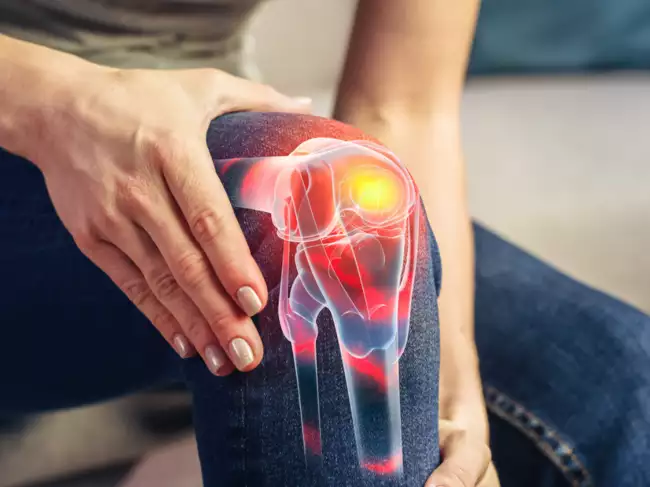
Joint pain affects mobility and can result from various conditions.
- Causes: Arthritis, gout, overuse, or injuries.
- Relief Tips:
- Apply heat for stiffness or ice for swelling.
- Maintain a healthy weight to reduce stress on joints.
- Use joint-supporting braces or sleeves during activity.
- Supplements like glucosamine and chondroitin might be beneficial for some individuals.
7. Knee Pain
Knee pain can limit mobility and daily activities.
- Causes: Overuse, ligament injuries, meniscus tears, or osteoarthritis.
- Relief Tips:
- Rest the knee and avoid high-impact activities.
- Use ice packs to reduce swelling and heat for stiffness.
- Wear a knee brace or compression sleeve for support.
- Perform strengthening exercises focusing on the quadriceps and hamstrings.
- Seek medical advice for persistent or severe pain, as imaging or further interventions may be necessary.
8. Leg Pain
Leg pain can occur due to muscle strain, circulation issues, or nerve problems.
- Causes: Overuse, deep vein thrombosis (DVT), or sciatica.
- Relief Tips:
- Rest and elevate the leg to reduce swelling.
- Massage or foam rolling can alleviate muscle soreness.
- Stay hydrated and avoid prolonged periods of immobility.
- Seek medical advice if pain is severe or accompanied by swelling and redness.
9. Feet Pain
Foot pain often results from overuse, ill-fitting shoes, or underlying conditions.
- Causes: Plantar fasciitis, bunions, or flat feet.
- Relief Tips:
- Wear supportive footwear and use custom orthotics if needed.
- Stretch the arches of your feet and perform strengthening exercises.
- Soak your feet in warm water with Epsom salt.
- Use over-the-counter pain relievers and anti-inflammatory creams.
10. Sciatica
Sciatica causes pain that radiates along the sciatic nerve, which runs from the lower back through the hips and down each leg.
- Causes: Herniated discs, bone spurs, or narrowing of the spine.
- Relief Tips:
- Engage in physical therapy exercises to strengthen the lower back.
- Apply cold packs initially, followed by heat therapy after 48 hours.
- Avoid prolonged sitting and incorporate regular stretching.
- Prescription medications or corticosteroid injections may be needed for severe cases.
When to Seek Medical Help
While many types of pain can be managed at home, certain symptoms warrant medical attention:
- Severe or worsening pain.
- Pain accompanied by swelling, redness, or deformity.
- Persistent pain lasting more than a few weeks.
- Pain associated with fever, weight loss, or neurological symptoms.
Conclusion
Managing pain involves understanding its cause and adopting appropriate relief measures. From lifestyle adjustments and exercises to medical interventions, a comprehensive approach can significantly enhance your quality of life. If pain persists or impacts your daily activities, don’t hesitate to consult a healthcare professional for a tailored treatment plan.